Why Exterior Paint Peels and How to Make Sure It Doesn’t Happen Again
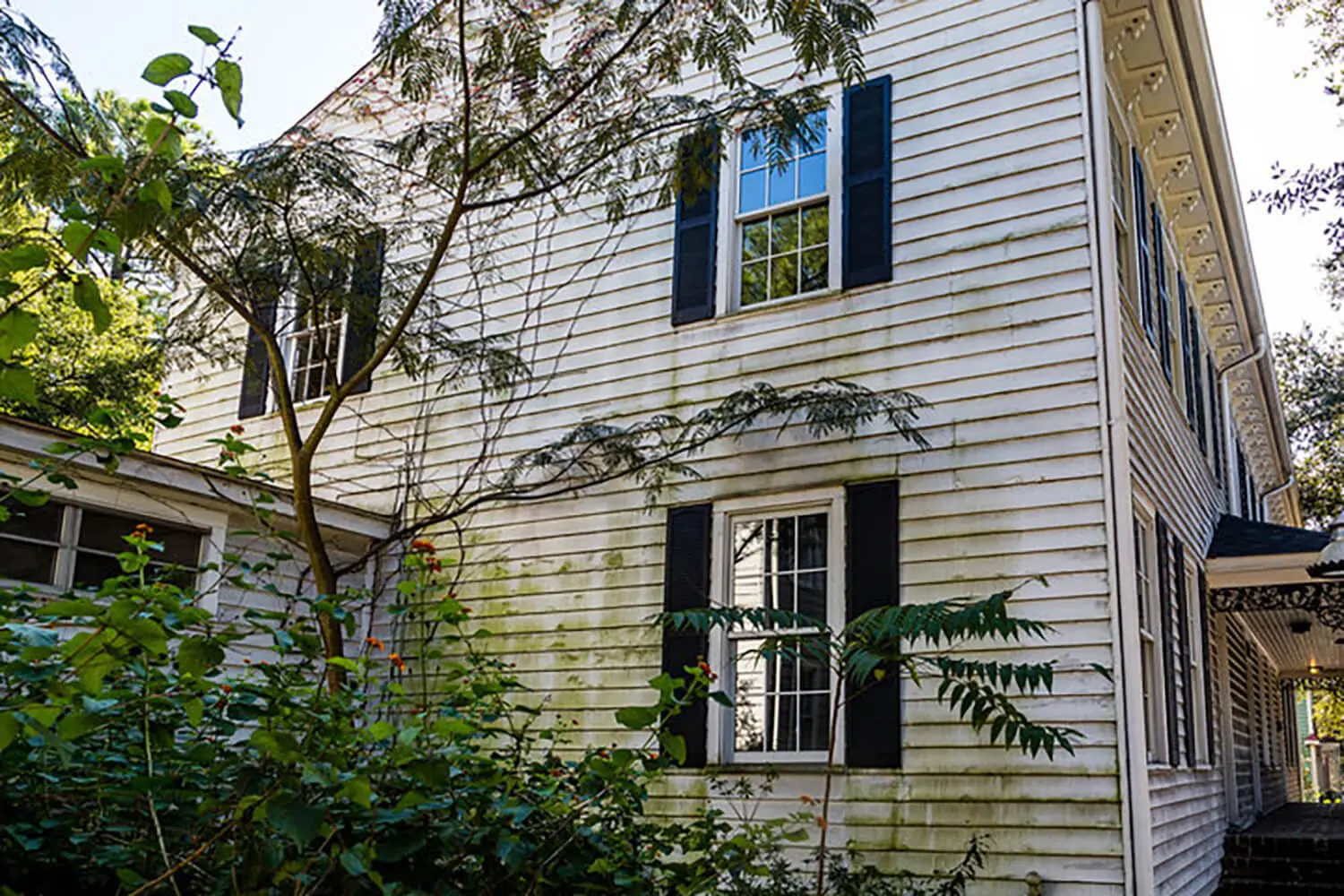
Peeling exterior paint is one of the more frustrating things a homeowner can deal with. You spend money on a paint job expecting it to last, and within a year or two the paint is bubbling, cracking, and coming off in sheets. The instinct is to repaint as quickly as possible. But repainting over the same conditions that caused the original failure produces the same result, usually faster the second time around.
Understanding why exterior paint fails is the first step toward making sure the next paint job actually holds up. The causes are almost always identifiable, and identifying them is what changes the outcome.
Moisture Is the Most Common Cause of Exterior Paint Failure
Of all the things that cause exterior paint to fail, moisture is responsible more often than any other factor. It disrupts the bond between the paint film and the surface underneath, causing the paint to lift, bubble, and eventually peel away. Moisture reaches exterior paint from two directions, and each requires a different response.
External Moisture
Rain, snow, and humidity are the most obvious sources. Water works its way behind the paint film through:
- Gaps in caulking around window and door frames
- Under siding edges where the paint film has a minor break
- Along the roofline where gutters fail or overflow
- At the base of walls where water pools against the siding
Once water is behind the paint, it expands and contracts with temperature changes, progressively weakening the bond between the paint and the surface until the paint separates. Gutters and drainage play a bigger role than most homeowners expect. Clogged or failing gutters direct water against the siding repeatedly, saturating areas that were never designed to handle that level of moisture exposure.
Internal Moisture
Moisture does not only come from outside. In homes with poor ventilation, moisture generated inside the house migrates through the walls and pushes outward against the paint film from behind. The paint lifts from the inside out, and the exterior surface shows the failure without any obvious external cause.
This type of failure is easy to misread as a prep or product problem when the actual source is inside the house. Signs that internal moisture may be involved include:
- Peeling concentrated around bathrooms or kitchens
- Bubbling that forms between paint layers rather than at the paint-to-surface boundary
- Peeling that appears on interior walls in the same areas as the exterior failure
- Failure that returns in the exact same locations after repainting
Repainting without addressing the ventilation issue produces the same failure in the same locations every time.
How Utah’s Climate Makes Moisture Problems Worse
Utah’s climate creates specific conditions that accelerate moisture-related paint failure:
- The freeze-thaw cycle through winter and spring forces water that has worked its way behind the paint film to freeze and expand, pulling the paint away from the surface more aggressively than moisture alone would
- High-altitude UV exposure in summer dries and degrades the paint film faster than lower-elevation climates, opening micro-cracks that allow moisture to penetrate even a paint job that looks intact from a distance
- Wide temperature swings between seasons cause the underlying materials to expand and contract significantly, cracking paint that lacks the flexibility to move with those changes
- Late summer monsoon humidity creates application windows that require careful timing — painting during humidity spikes prevents proper curing regardless of product quality
Poor Surface Preparation Sets Up the Next Paint Job to Fail
Of all the causes of premature paint failure, inadequate surface preparation is the most preventable and the most common on jobs that were rushed or underpriced. The most frequent prep failures include:
- Painting over contaminated surfaces — dirt, mildew, chalking from old paint, and surface grease all prevent new paint from bonding properly. The failure shows up within months rather than years because the paint never had anything solid to grip
- Painting over existing failing paint — the new coat can only be as stable as the surface it is applied to. Loose, peeling, or delaminating paint underneath transfers that instability directly to the new coat
- Skipping primer on bare or repaired surfaces — primer seals the surface, evens out porosity, and gives the topcoat something consistent to adhere to. On new wood, repaired areas, or surfaces stripped back to bare material, primer is not optional
- Leaving cracks, gaps, and damaged caulking unrepaired — these are moisture entry points that undermine the new coat from the first rain. A paint job applied over unaddressed caulk failures will begin failing at those exact locations within one season
Application Errors That Shorten a Paint Job’s Life
Paint can fail not because of what was applied but because of how and when it was applied. The most common application errors that lead to premature failure are:
- Painting in cold temperatures — most exterior paints require surface temperatures above 50 degrees Fahrenheit to cure correctly. Paint applied below that threshold may look fine initially and begin failing as soon as temperatures drop again
- Painting in direct sun on a hot day — the surface dries too fast, trapping solvent beneath the film and leading to bubbling and poor adhesion. On south and west-facing walls in Utah summers, surface temperatures can exceed air temperatures significantly
- Painting in high humidity — moisture in the air interferes with the film formation process regardless of the season and should be factored into scheduling decisions before work begins
- Applying too few coats — a single coat of exterior paint is rarely sufficient for durability, particularly on bare or previously unpainted surfaces
- Applying a second coat before the first has fully dried — this traps moisture between layers, which works its way out over time and causes the paint to separate from within
Using the Wrong Paint Guarantees a Shorter Lifespan
Not all exterior paints perform the same, and using the wrong product for the surface or environment accelerates failure regardless of how well everything else was done. Common product errors include:
- Interior paint used on exterior surfaces — interior paints are not formulated to handle UV exposure, temperature extremes, or moisture cycling. They fail quickly in outdoor conditions, often within the first year
- Lower-quality exterior paints — less binder content means less adhesion, less flexibility, and less resistance to the freeze-thaw cycling and UV exposure Utah’s climate delivers. The upfront savings are typically recovered within two to three years when the paint job has to be redone
- Wrong product for the substrate — wood, stucco, masonry, and composite siding each have specific coating requirements. Using a product designed for one substrate on another produces adhesion problems that often cover the entire surface within the first year or two
- Mismatched paint systems — applying latex paint directly over oil-based paint without proper preparation causes the new coat to peel as the two incompatible systems expand and contract differently over time. If the existing paint system is unknown, testing before repainting is worth the effort
What Needs to Happen Differently Before You Repaint
Repainting without identifying and addressing the cause of the original failure is the most expensive mistake a homeowner can make. The new paint job will follow the same path as the one it replaced, often faster because the underlying conditions have had more time to develop.
The first step before repainting is identifying the source of the failure. Peeling concentrated in specific locations points to a moisture entry point that needs to be resolved first. Widespread peeling in a more uniform pattern is more likely to indicate prep or application errors from the previous job.
Once the cause is identified, the following need to be addressed before any new paint goes on:
- All failing paint removed down to a stable surface
- Moisture sources identified and resolved, including gutters, caulking, and ventilation if internal moisture is involved
- Wood rot or substrate damage repaired and allowed to cure fully
- All surfaces cleaned, sanded where needed, and primed on bare or repaired areas
- Caulking replaced at all joints, frames, and transitions
Painting over any of these conditions without resolving them first is not a repair. It is a delay.
Peeling Paint Is a Symptom, Not the Problem
Peeling exterior paint is almost never random. It traces back to one or more identifiable causes, and understanding those causes is what determines whether the next paint job holds up or repeats the same failure.
A paint job that lasts starts with a proper assessment of why the previous one failed, followed by preparation that addresses those causes before a new coat goes on. Skipping that step is what keeps homeowners repainting on a shorter cycle than they should be.
If your exterior paint is peeling and you want to understand why before spending money repainting, we can help. Urban Painting Company offers professional exterior assessments that identify the root causes of paint failure and determine what needs to happen before any new paint goes on the wall. Contact us today to schedule your assessment.