Why Your Interior Paint Doesn’t Last (And How to Make It Stick for Years)
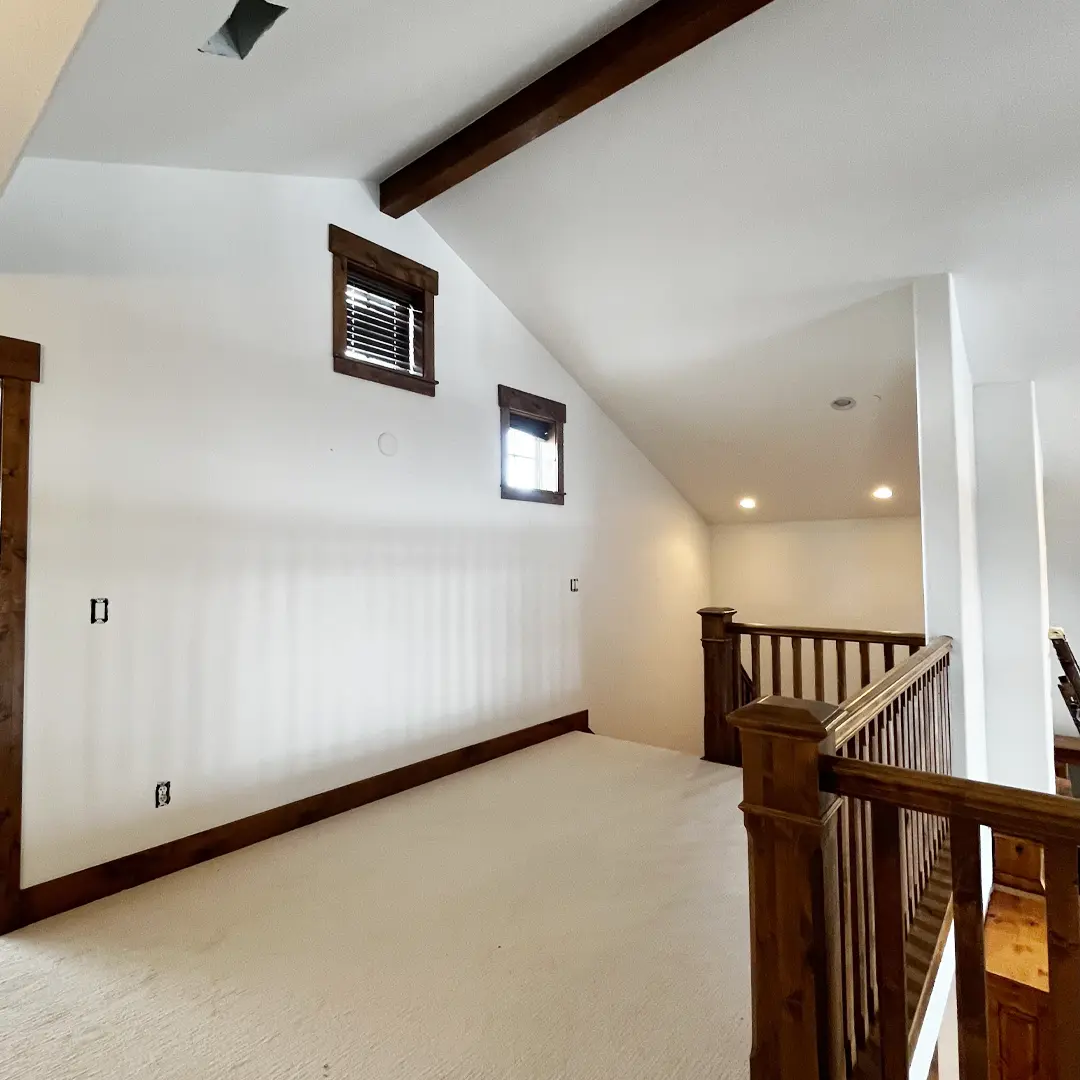
A fresh coat of paint can completely change how a room feels. But when that paint starts peeling, fading, or scuffing within a year or two, it stops feeling like an upgrade and starts feeling like a problem. The frustrating part is that most paint failures are preventable. They trace back to a handful of decisions made before the first brush ever touches the wall.
Understanding why interior paint doesn’t last is the first step toward making sure your next paint job does. This post breaks down the most common reasons paint fails early and what needs to happen differently to get results that hold up for years.
Why Surface Preparation Determines Everything
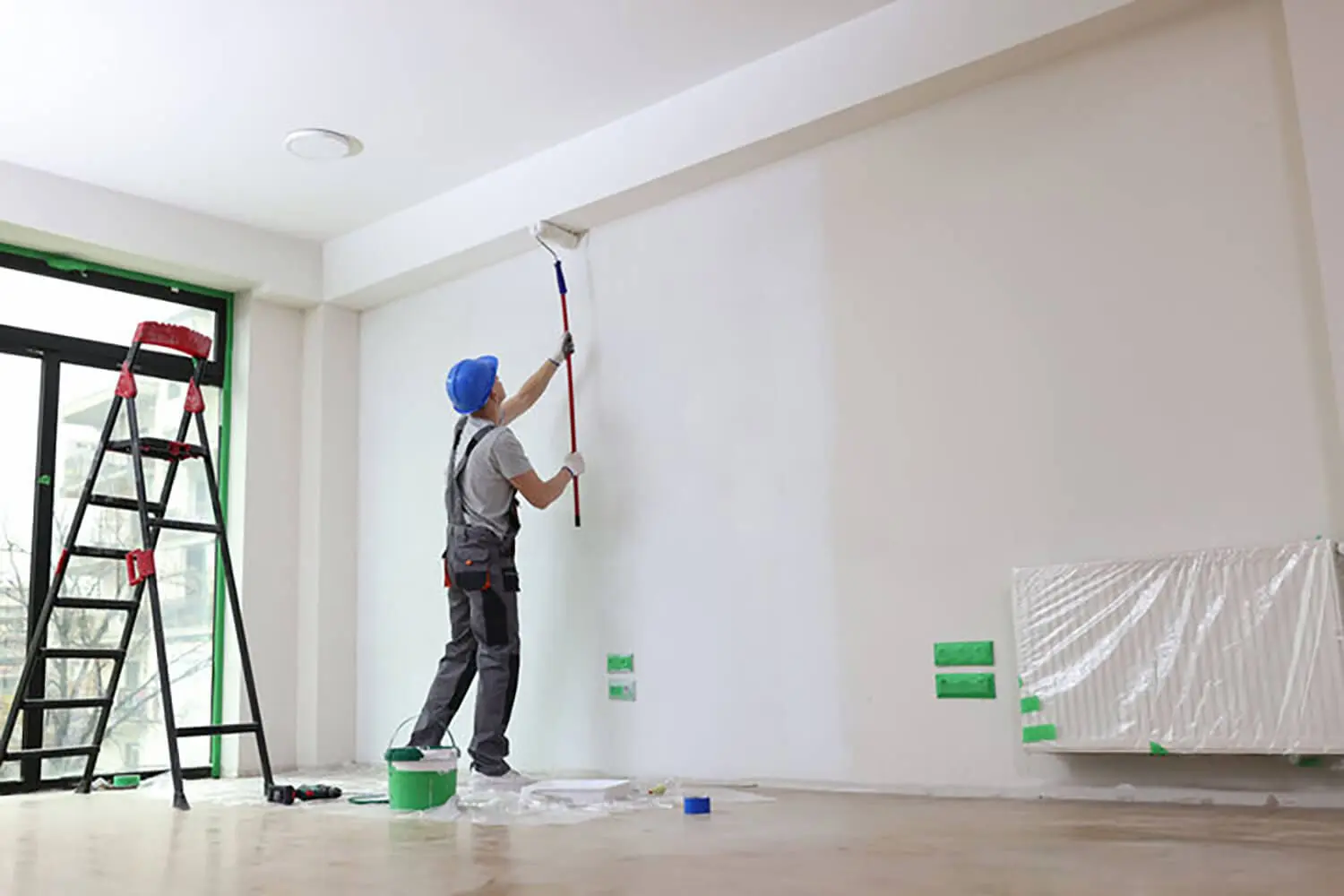
Of all the factors that affect how long interior paint lasts, surface preparation has the biggest impact. It is also the step most often rushed or skipped.
Paint needs a clean, stable surface to bond to. When walls carry dust, grease, old residue, or unrepaired damage, the new paint layer has nothing solid to grip. The result shows up quickly: bubbling, peeling edges, or patches that flake away within months.
Proper preparation includes:
- Washing walls to remove dust, grease, and any surface contamination
- Sanding rough areas and feathering out old paint edges
- Filling cracks and holes with spackling compound and allowing it to cure fully
- Priming the surface before painting, especially on new drywall, repaired spots, or surfaces that have been cleaned with a degreaser
Primer is not optional on problem surfaces. It seals the wall, evens out porosity, and gives the topcoat a consistent surface to adhere to. Skipping it on bare or repaired areas is one of the most reliable ways to shorten a paint job’s lifespan.
How Paint Quality Affects Long-Term Performance
Not all interior paint performs the same. The difference between a budget paint and a professional-grade product is not just price. It is resin content, pigment load, and the additives that determine how the paint handles wear, cleaning, and time.
Lower-cost paints tend to have higher water content and less binder. They go on thinner, cover less evenly, and break down faster under everyday use. They may look fine on day one and start showing wear within the first year.
Higher-quality paints contain more solid content, which means:
- Better adhesion to the surface
- More consistent coverage in fewer coats
- Greater resistance to fading from light exposure
- Surfaces that hold up to cleaning without losing their finish
The upfront cost difference between a budget paint and a quality product is typically modest relative to the total cost of a paint job. The lifespan difference is not.
The Role of Application Technique
Even quality paint applied poorly will fail ahead of schedule. The most common application mistakes are applying coats too thick or too thin, not allowing adequate dry time between coats, and using the wrong tools for the surface being painted.
Paint applied too thickly traps solvent underneath the surface layer. As that solvent works its way out, it causes wrinkling, bubbling, or uneven texture. Paint applied too thinly leaves the surface underprotected and prone to early wear.
Dry time matters more than most homeowners realize. Paint may feel dry to the touch within an hour or two, but the full curing process takes much longer. Applying a second coat before the first has properly dried traps moisture and undermines adhesion.
Tool selection also affects the outcome. Different surfaces and sheens require different roller nap thicknesses and brush types. The right tool produces a more even film thickness, which translates directly to more consistent protection.
Why Humidity and Moisture Shorten Paint Life
Interior paint takes more punishment in high-moisture environments. Bathrooms, kitchens, laundry rooms, and basements all create conditions where standard interior paint struggles.
Moisture works against paint in two ways. First, high ambient humidity during application slows dry time and can prevent paint from curing properly. Second, ongoing moisture exposure after curing causes the paint film to soften, blister, and eventually separate from the surface.
Choosing the right paint for the environment makes a significant difference:
- Bathrooms and kitchens call for paints formulated with mildew resistance
- Semi-gloss and gloss finishes hold up better in humid rooms because their denser surface sheds moisture more effectively than flat or matte finishes
- Any surface with an active moisture problem — a slow leak, condensation on walls, or inadequate ventilation — needs the underlying issue addressed before repainting
Painting over a moisture problem does not fix it. The paint will fail again, often faster than the first time.
How Ventilation Affects the Drying Process
Airflow during and after painting is easy to overlook, but it directly affects how paint cures. In a poorly ventilated room, solvent and moisture have nowhere to go. They linger near the surface, extending dry time and creating conditions where the paint film forms unevenly.
The practical result of poor ventilation during application is often visible within weeks: soft spots, a tacky finish that picks up dust and debris, or a surface that never quite hardens properly.
Good ventilation practice during a paint job includes:
- Opening windows when outdoor conditions allow
- Running exhaust fans to move air through the space
- Avoiding painting in rooms with no airflow on humid days
- Keeping the room ventilated for several hours after the final coat is applied
In tightly sealed homes or rooms without windows, a portable fan placed to move air across the painted surface — not directly at it — helps accelerate curing without introducing debris.
Choosing the Right Finish for the Right Room
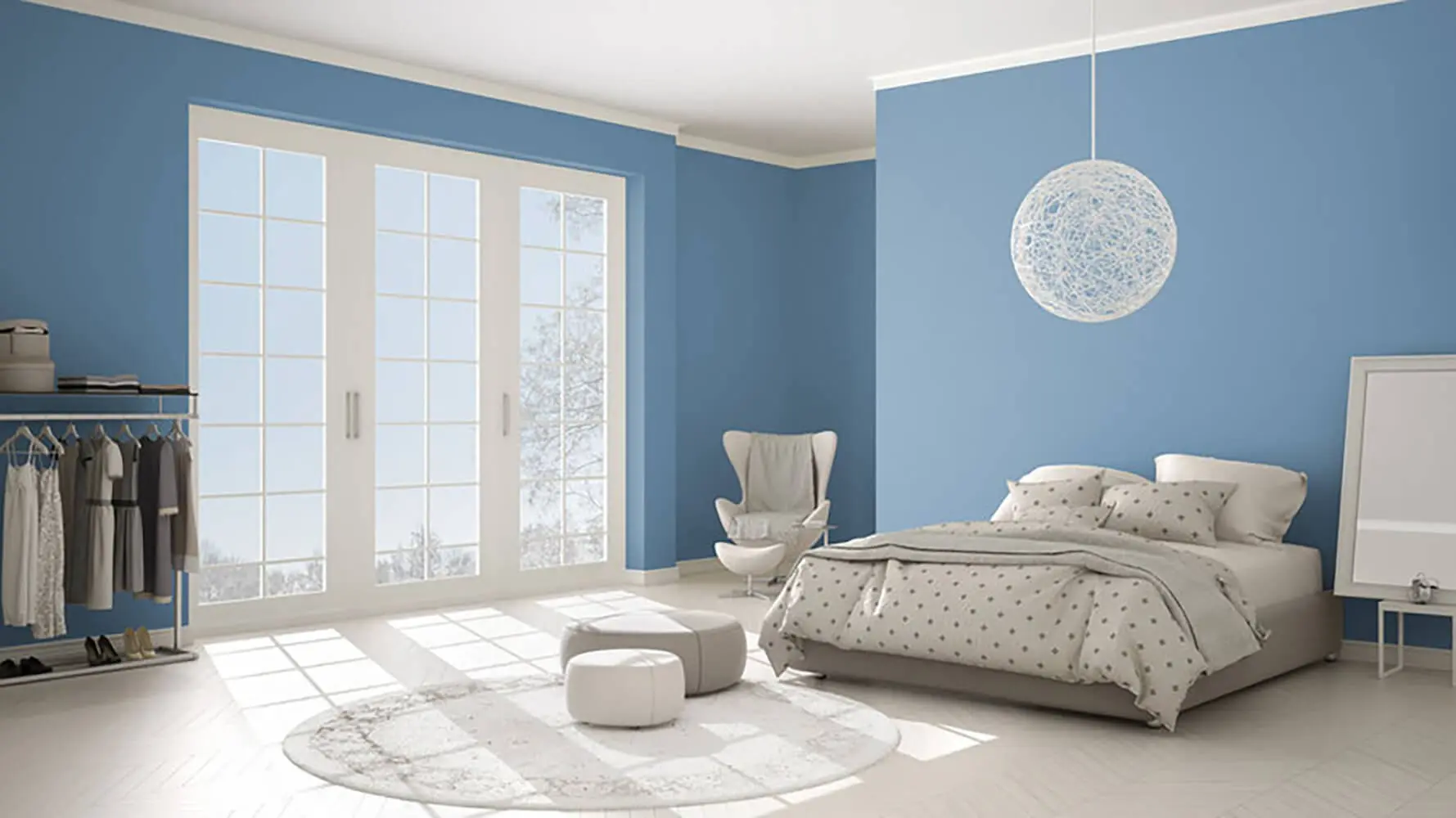
Paint finish is not just an aesthetic decision. It determines how durable the surface will be and how well it stands up to cleaning.
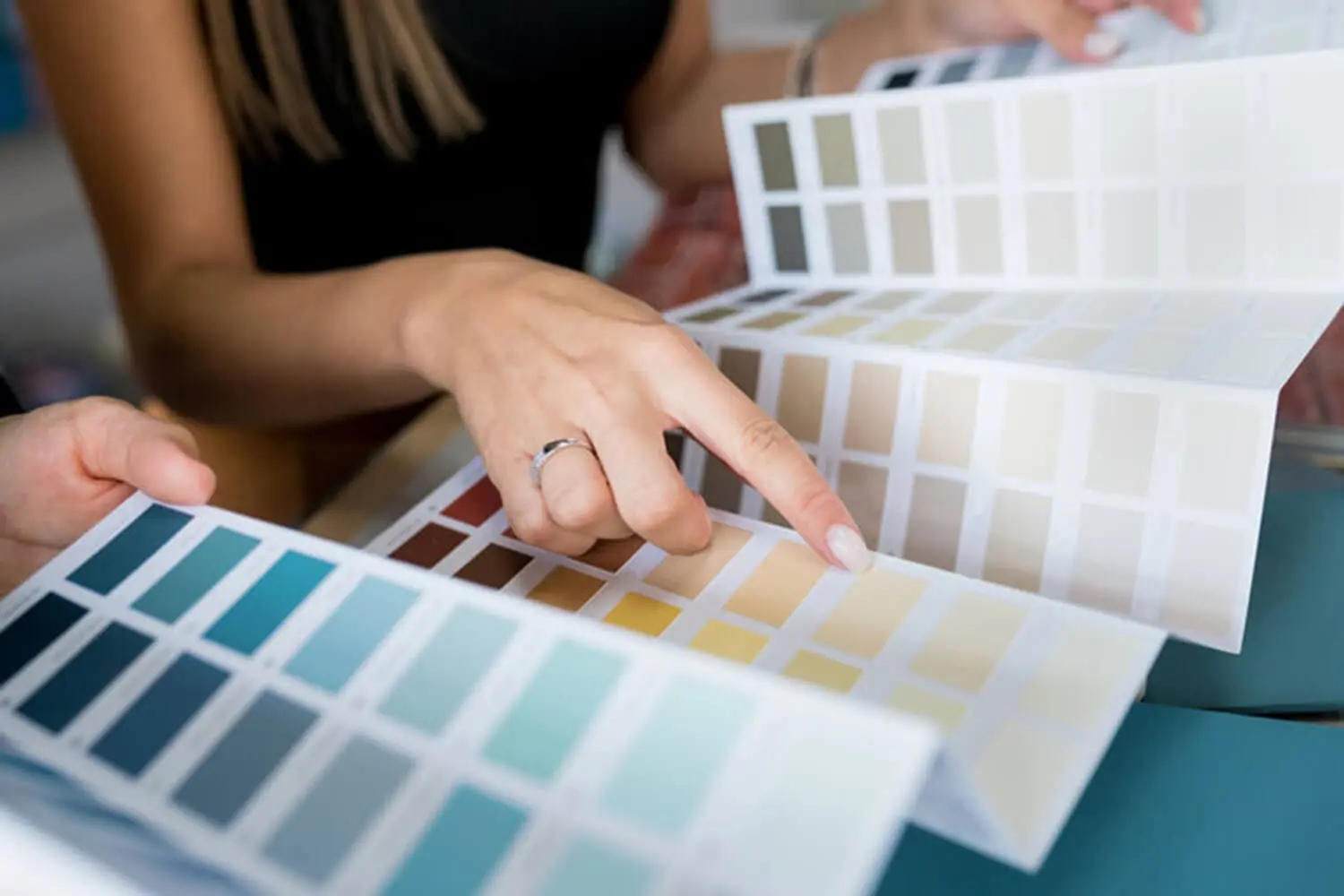
The finish spectrum runs from flat and matte on one end to high-gloss on the other. Each finish has appropriate applications:
- Flat and matte — best for low-traffic areas like ceilings, formal dining rooms, and adult bedrooms where walls see minimal contact and scrubbability is not a priority
- Eggshell — a slight sheen that handles light cleaning; works well in living rooms and bedrooms with moderate traffic
- Satin — more durable and easier to clean than eggshell; appropriate for hallways, children’s rooms, and family spaces that see regular contact
- Semi-gloss — highly durable and moisture-resistant; the standard choice for kitchens, bathrooms, trim, and doors
- Gloss — the most durable and easiest to clean; typically reserved for trim, cabinets, and surfaces that take heavy use
Using a flat finish in a high-traffic hallway or a child’s bedroom is one of the most common finish selection mistakes. The paint itself may be fine. The finish just cannot handle the environment it was put into.
What Regular Maintenance Does for Paint Longevity
Paint that gets maintained lasts longer. This is straightforward, but it is worth being specific about what maintenance actually means.
Dirt, oils from skin contact, and airborne grease from cooking all accumulate on painted surfaces over time. Left in place, these contaminants work into the paint film and accelerate breakdown. Regular, gentle cleaning removes them before they cause damage.
Effective wall maintenance involves:
- Wiping walls periodically with a soft cloth or sponge and a mild soap solution
- Addressing scuffs and marks promptly rather than letting them set
- Touching up chips and scratches when they appear, before moisture or dirt gets into the exposed area
- Avoiding abrasive cleaners or scrubbing pads, which damage the paint surface even on durable finishes
Touch-up paint works best when it comes from the same batch used on the original job. Color and sheen can shift slightly between batches, and even small variations become visible on a wall. Keeping a small amount of leftover paint labeled by room is a simple practice that pays off.
Putting It All Together
Interior paint fails for predictable reasons. Surface prep that gets skipped, paint quality that does not match the demands of the space, application errors, the wrong finish for the environment, and maintenance that never happens. Each of these is controllable.
A paint job that lasts starts with the right decisions before a single coat goes on the wall. The surface has to be clean, stable, and primed where needed. The paint has to be appropriate for the room. The application has to be deliberate. And the finish has to match the demands of the space.
When all of those factors line up, interior paint holds up for many years without the premature peeling, fading, and wear that make repainting feel like a chore rather than a choice.
If you want a paint job done right the first time, we are here to help. Contact us today to schedule your consultation and get an honest assessment of what your space needs.